Josh.ai Helps Shape the Future of AI at the CTA Smart Home Retreat
As artificial intelligence becomes increasingly integrated into everyday life, the smart home industry faces an important question - How do we make homes more intelligent while ensuring the people who live in them remain in control?
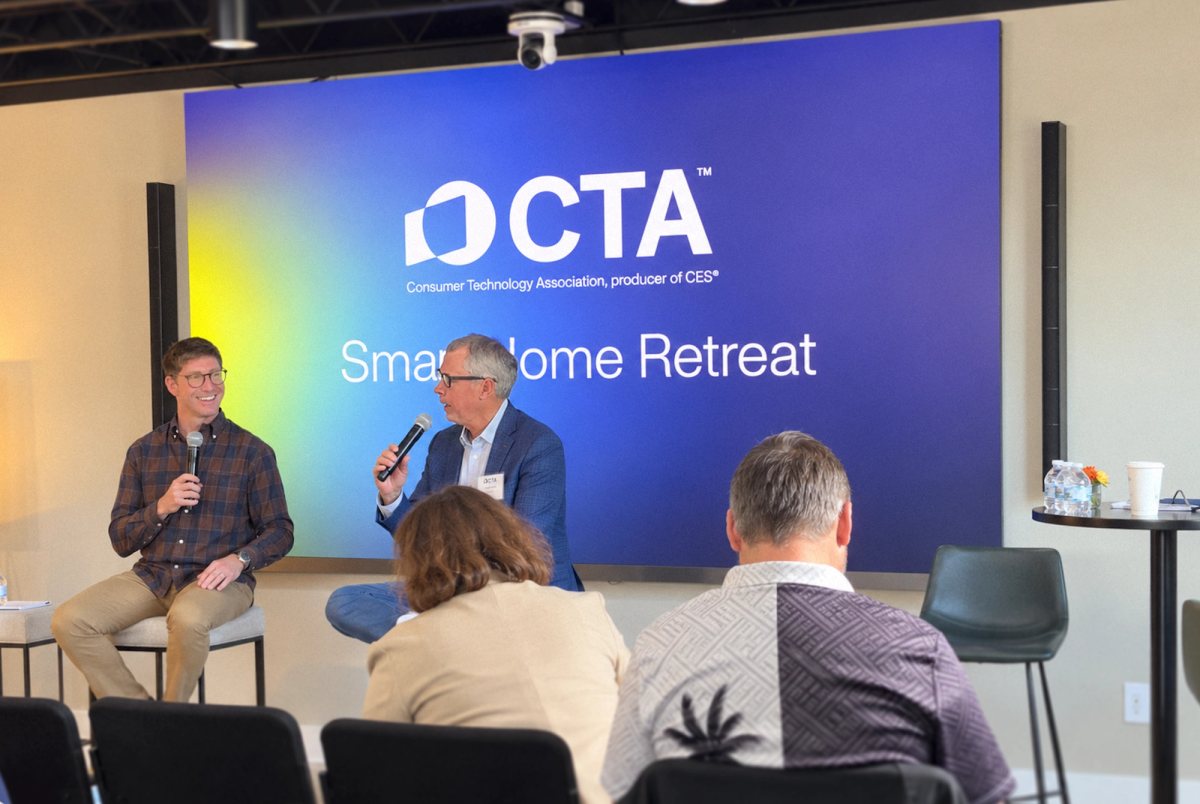
That question was central to the Consumer Technology Association’s (CTA) Smart Home Retreat, held October 7–8, 2026, at the ProSource Experience Center in Golden, Colorado. The event brought together executives, innovators, and technology leaders to discuss the future of connected living, from evolving consumer expectations and interoperability to AI-driven experiences and residential energy management.
Josh.ai's Alex Capecelatro shared his thoughts in front of fellow industry leaders at the event’s CEO Fireside Chat, sharing perspectives on the evolving smart home landscape and the role of artificial intelligence in shaping what comes next. His participation comes at a pivotal moment for the industry. With the recent publication of a Code of Conduct for AI in the Home, Josh.ai is helping establish a framework for how increasingly capable AI should operate in their most personal living spaces.

From Smart Devices to Intelligent Homes
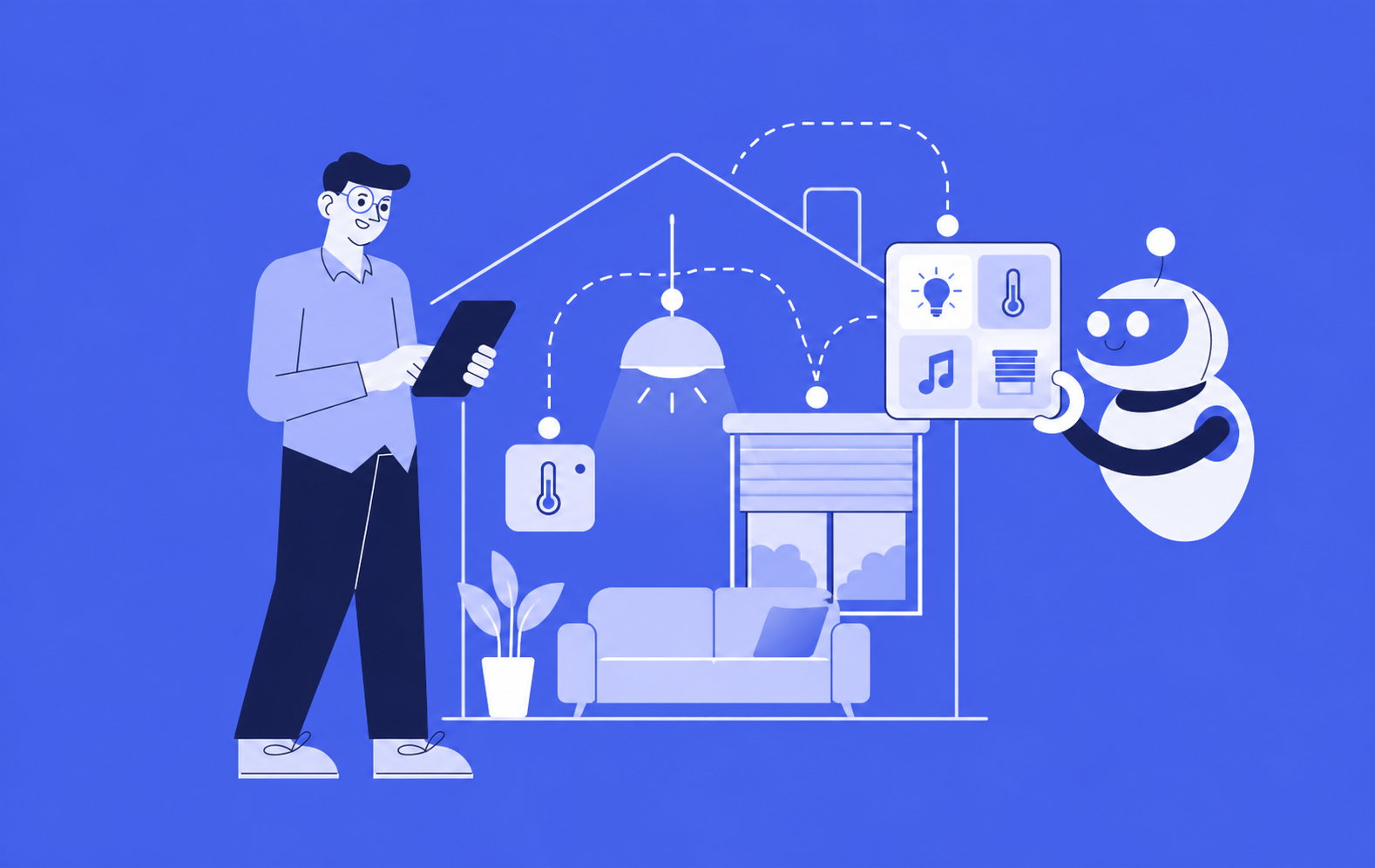
The smart home industry is moving beyond connecting individual devices toward creating cohesive experiences in which technology works together intelligently. As AI advances, the opportunity extends beyond making existing controls easier to use. It opens the door to systems that can better understand intent, interpret context, and coordinate the many technologies that shape daily life.
At the CTA Smart Home Retreat, industry leaders explored this evolution alongside broader questions about the market, consumer experience, interoperability, and energy management.
For Josh.ai, this next phase of smart home innovation builds on a decade of developing purpose-built artificial intelligence for residential control. Rather than treating AI as an isolated voice assistant or an additional layer added to existing products, Josh.ai integrates intelligence into a comprehensive home control platform.
This distinction becomes increasingly important as AI moves from answering questions to influencing the physical environment. Adjusting lighting or the temperature is one thing, while interacting with access control, security systems, and other consequential aspects of a home introduces a different level of responsibility.
The opportunity is substantial, but realizing it requires more than increasingly capable AI models. It requires thoughtful engineering, clear boundaries, and a system designed to put homeowners first.

Alex Capecelatro on the Responsibility of AI in the Home
During the CEO Fireside Chat, Capecelatro represented Josh.ai's perspective on the opportunities and challenges facing the smart home industry as it enters a new era of AI-driven innovation.
As the technology becomes more capable, the industry must consider not only what AI can accomplish, but also how its actions are authorized, how personal information is protected, and how homeowners retain meaningful control. These considerations are especially important in residential environments, where technology operates within shared personal spaces and can influence privacy, security, comfort, and everyday routines.
Josh.ai believes that responsible AI implementation must be addressed at the architectural level, rather than left solely to product policies or user settings. Intelligence should help interpret requests and determine useful responses, while a dedicated control system enforces household permissions and determines which actions are allowed.
This approach underpins Josh.ai's broader vision for AI-powered home control. A home that becomes more intelligent without becoming less predictable, less private, or harder for its owners to manage.
Setting the Standard: Josh.ai's Code of Conduct for AI in the Home
Josh.ai recently published its Code of Conduct for AI in the Home, which outlines twelve principles intended to guide the responsible development and deployment of AI in residential environments.
The code reflects Josh.ai's belief that the industry needs clear standards as AI gains greater access to connected devices and the physical world. It is both a commitment to the principles Josh.ai believes should guide its own work and an invitation for manufacturers, technology platforms, professional integrators, and other industry stakeholders to help advance a shared standard.
At the heart of the code is a simple principle - The intelligence in a home must always answer to the people who live there. The framework emphasizes several essential priorities:
-
Human Control: Authorized homeowners must be able to interrupt, redirect, or disable AI without unnecessary friction.
-
Clear Authorization: AI should operate only within permissions established by the people responsible for the home. It must never grant itself additional authority.
-
Privacy & Security by Design: Personal information and household activity deserve protection built into the system's architecture, not treated as optional features.
-
Accountability & Reversibility: Actions should be explainable, and consequential actions should have appropriate safeguards and opportunities for confirmation.
-
Resilient Home Control: Essential functionality should remain dependable, with local operation wherever practical, even when cloud services are unavailable.
These principles address a fundamental challenge for the next generation of smart homes. To make AI more capable, while ensuring its authority remains bounded.
Intelligence Should Never Mean Unchecked Control
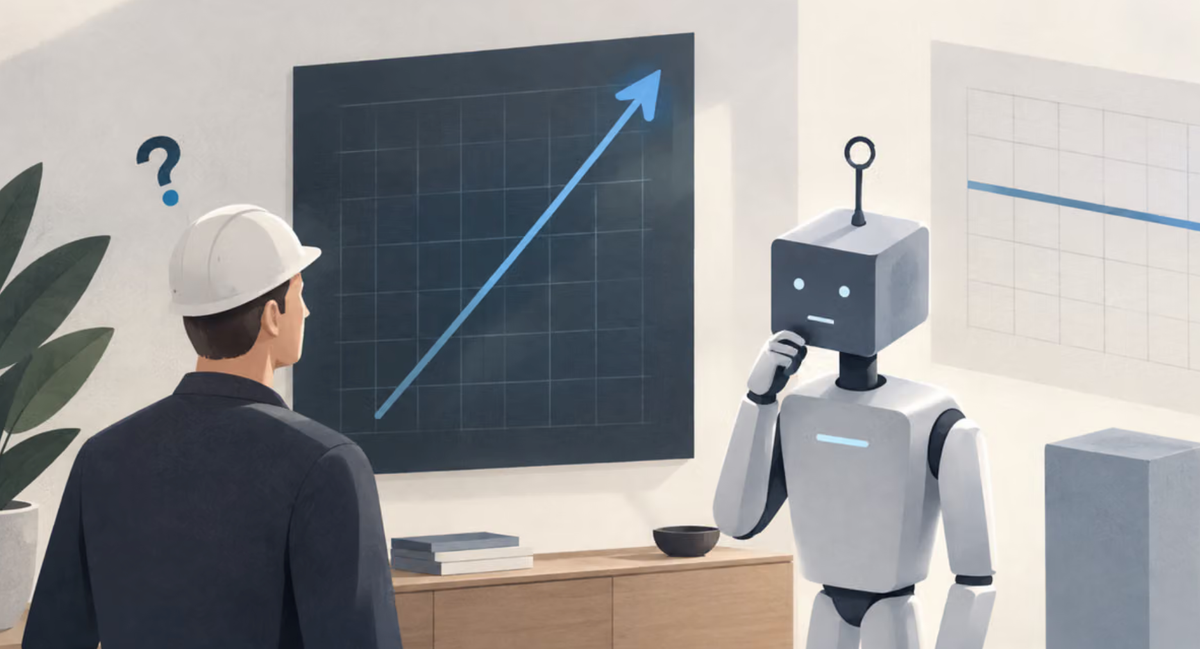
One of the defining ideas behind Josh.ai's code is the separation of intelligence from authority. The AI can interpret a homeowner's intent, reason through a request, and suggest an appropriate action. However, it should not independently control devices. Instead, every physical action must pass through a control system that evaluates the request against the household's permissions and applicable safeguards before allowing it to proceed.
This distinction is particularly important as AI evolves beyond conversational assistance into more proactive and automated experiences. A more capable model should make a home easier to interact with, not give that model unrestricted access to the property. By separating reasoning from permission, Josh.ai advocates for an architecture in which AI can become more intelligent without automatically gaining greater control.
The company's code also recognizes that responsible AI is an industry-wide effort. Josh.ai published its principles as a voluntary framework and encouraging others to adopt, challenge, and strengthen them as technology and regulation evolve.
Read the full Code of Conduct for AI in the Home.
Leading the Next Era of Smart Home Innovation
The CTA Smart Home Retreat provided an opportunity for industry leaders to exchange ideas about the technologies and priorities that will define connected living in the years ahead. As AI continues to reshape expectations, the conversation must extend beyond new features to include the trust, reliability, and safeguards that make those features appropriate for the home.
Josh.ai has spent more than a decade developing artificial intelligence specifically for home control. Today, the company continues to advance that mission through a unified platform that brings intelligence to the homeowner experience while prioritizing privacy, thoughtful design, and dependable control. The future of the smart home will not be defined by intelligence alone. It will be defined by how seamlessly technology serves the people who live there, and how confidently they can trust it to remain under their control.
For Josh.ai, that is the foundation of a smarter home and a more responsible future for AI.